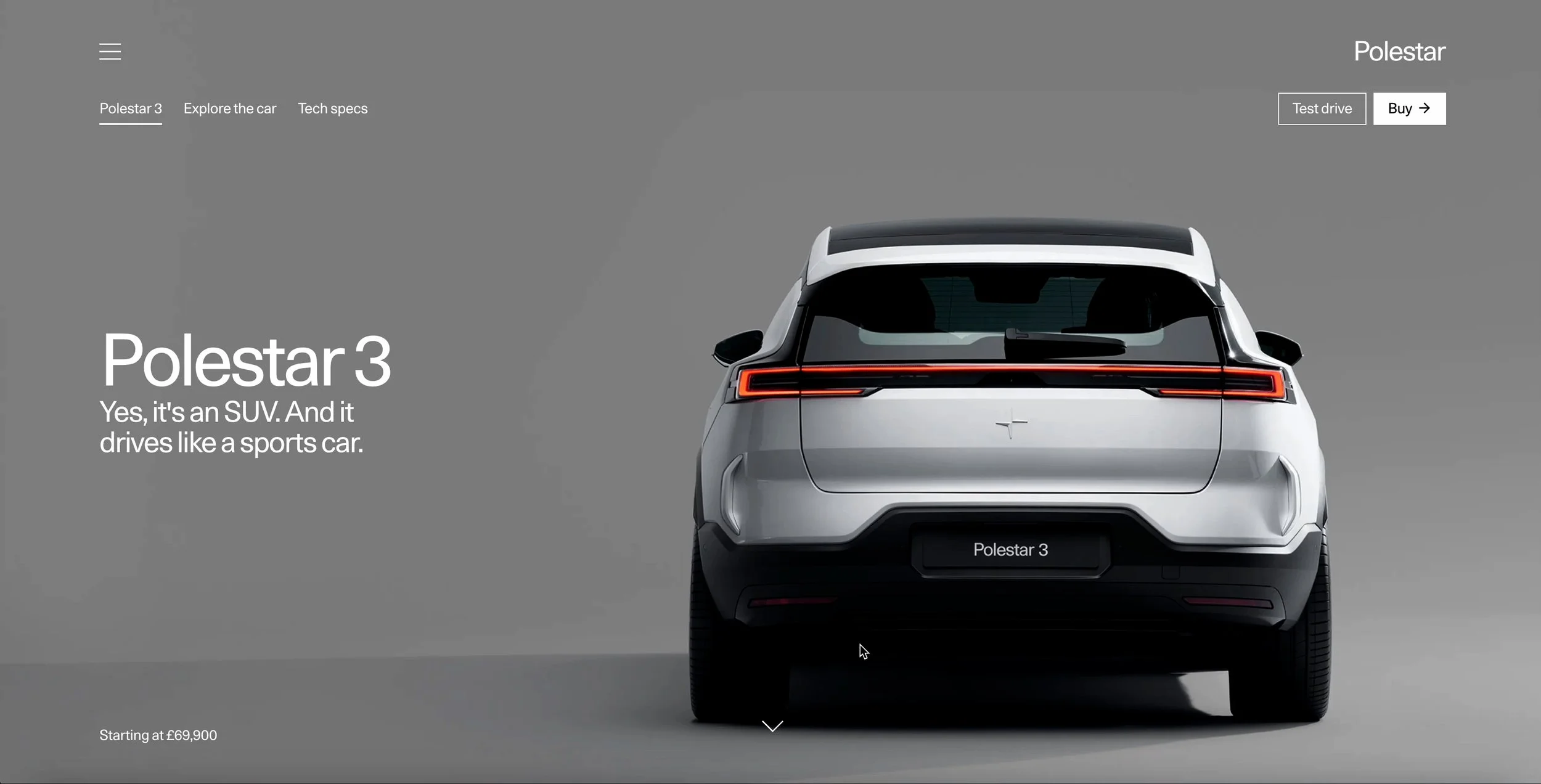
Introduced with Polestar 3 in 2022, a new digital product experience established the foundation for how the brand presents its cars online. Combining meticulous art direction, immersive visual storytelling and structured, search-friendly content, the approach creates two complementary levels of exploration, connecting emotional engagement with deeper consideration and the journey towards ownership.
POLESTAR CAR WEBPAGES
⌄
First introduced with Polestar 3 in 2022, the new car webpage framework established a shared digital foundation that would later extend across the Polestar lineup, including Polestar 4 and Polestar 5. Conceived as a digital product rather than a conventional automotive landing page, its structure was designed to support different customer needs and stages of the purchase journey.
At its core is a distinction between two complementary levels of exploration. The Overview is designed to create an immediate connection with the car, using cinematic imagery, scroll-driven storytelling and concise copy to communicate its character and defining qualities. A highly visual and deliberately selective experience allows visitors to understand the essence of the vehicle within moments.
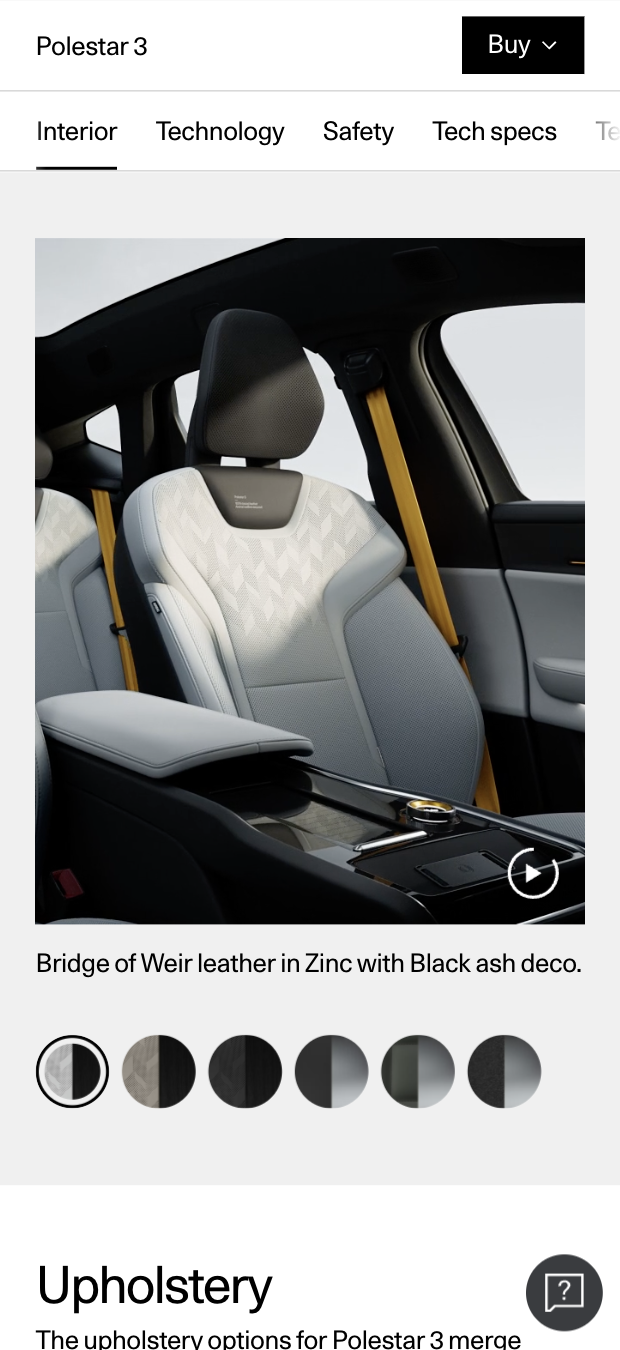
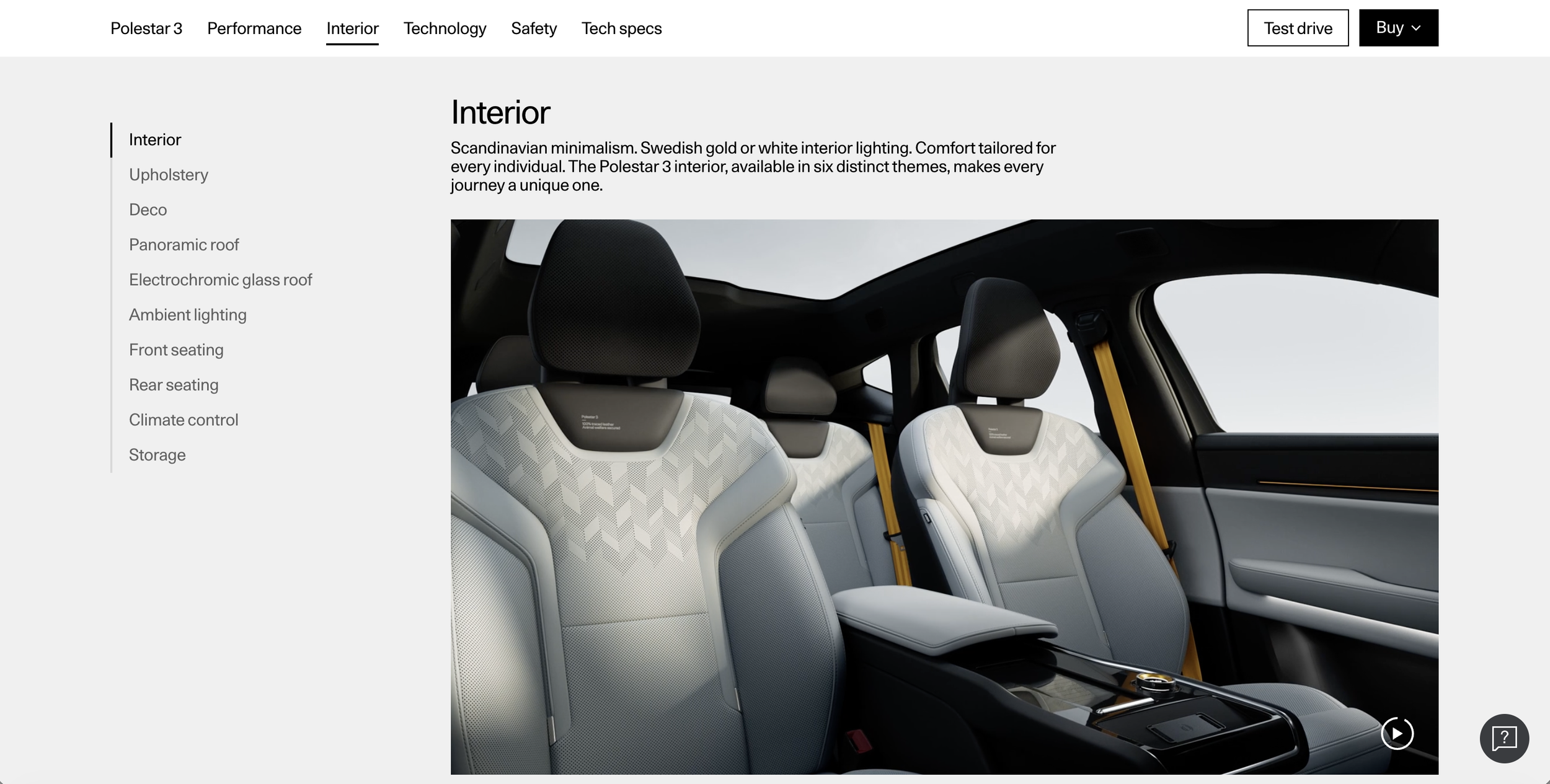
The Features pages provide a second, more detailed level of discovery. Organised around performance, interior, technology and safety, they combine category tabs with contextual side navigation, allowing visitors to explore individual features according to their interests. Technical specifications offer an additional layer of depth for more considered research and comparison.
This information architecture was also developed with search discoverability in mind. By organising detailed product content around clearly defined topics, the experience supports organic search visibility and gives customers direct access to relevant information beyond the Overview. Over time, the structure and content have continued to be refined for SEO and evolving search behaviours, including AI-powered discovery.
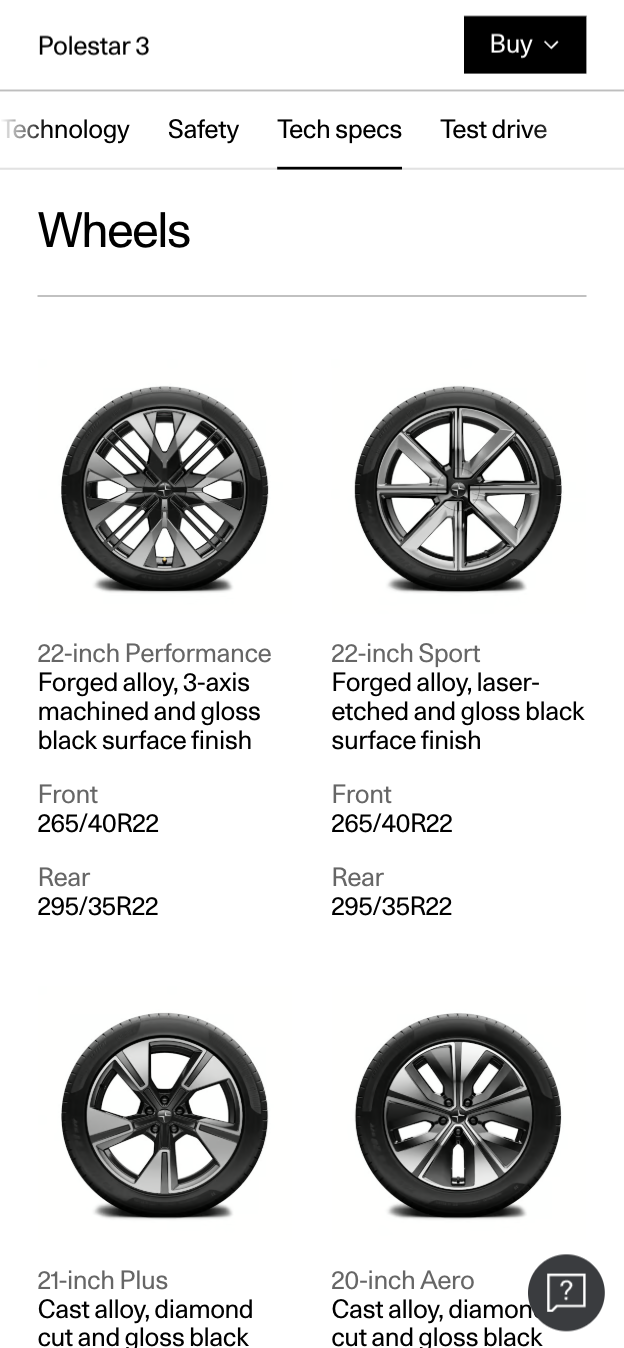
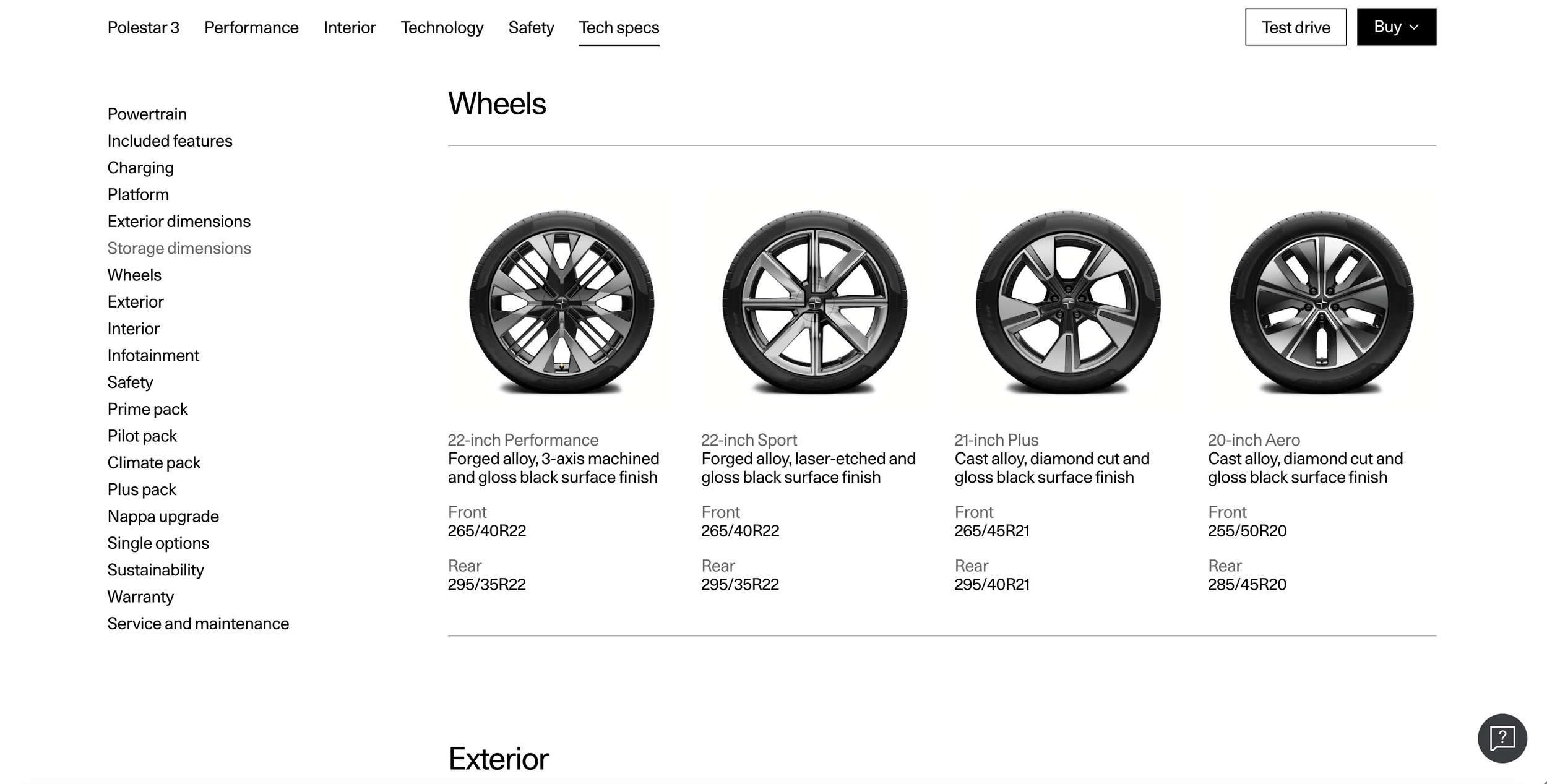
Together, these two levels balance inspiration with information. Visitors can follow a curated visual narrative or move directly to the details that matter to them, while clear purchase entry points connect exploration with configuration, available inventory and offers.
Since its introduction, the framework has evolved through successive model years and vehicle launches. More sophisticated scroll animations, refined visual storytelling and continuous UX improvements have expanded the experience without changing its underlying principle: a flexible digital product that connects the emotional character of each car with the practical needs of discovering, understanding and purchasing it.
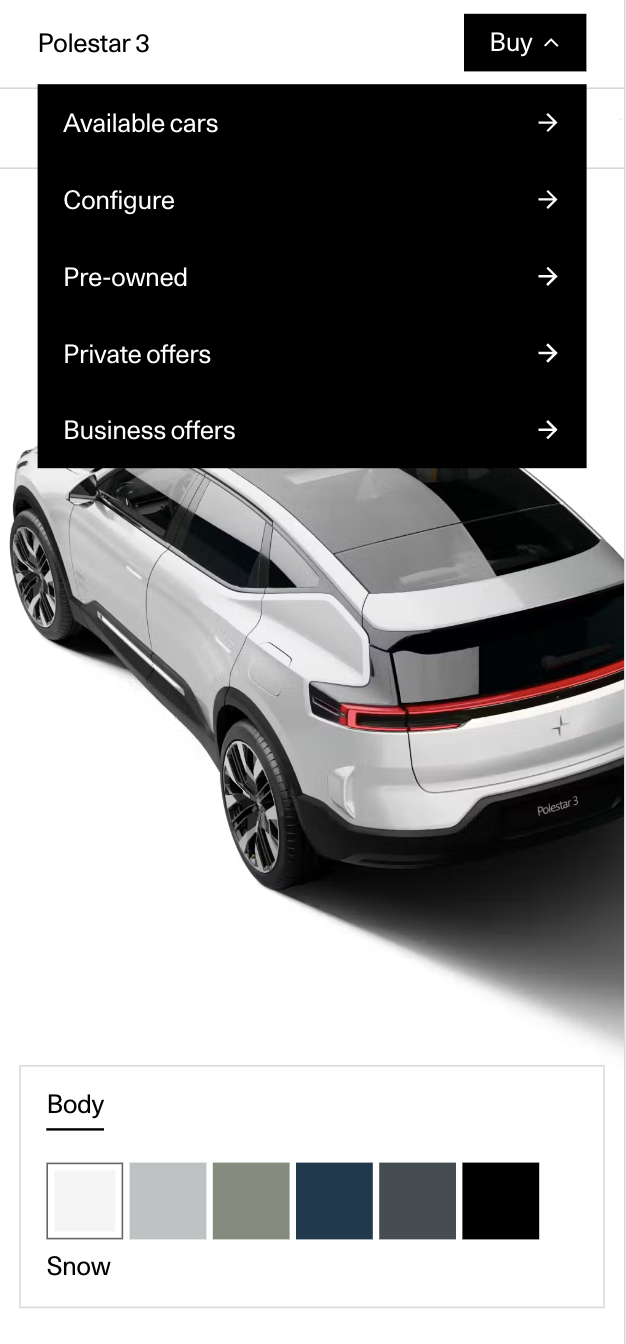
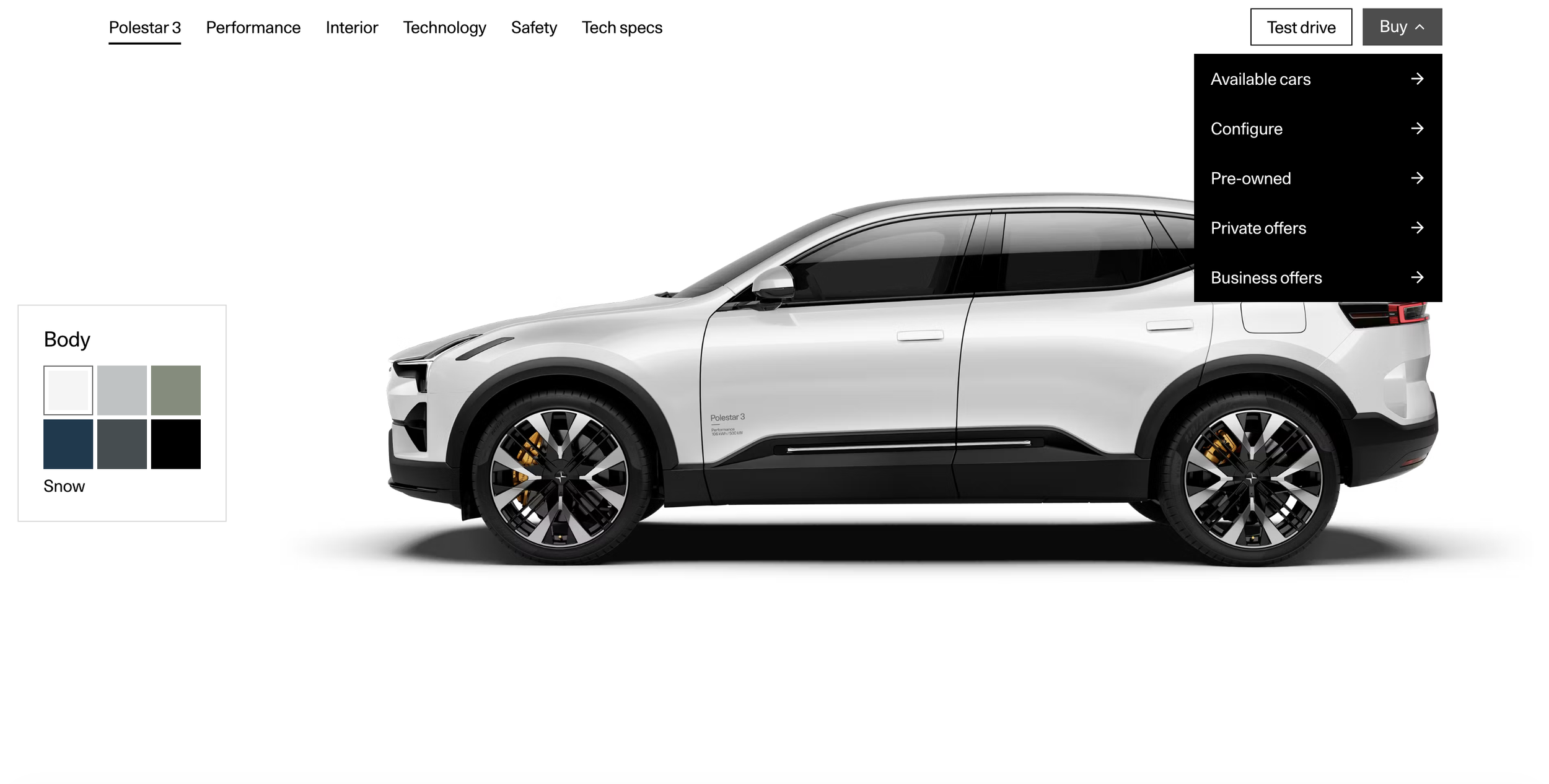

An evolving digital framework
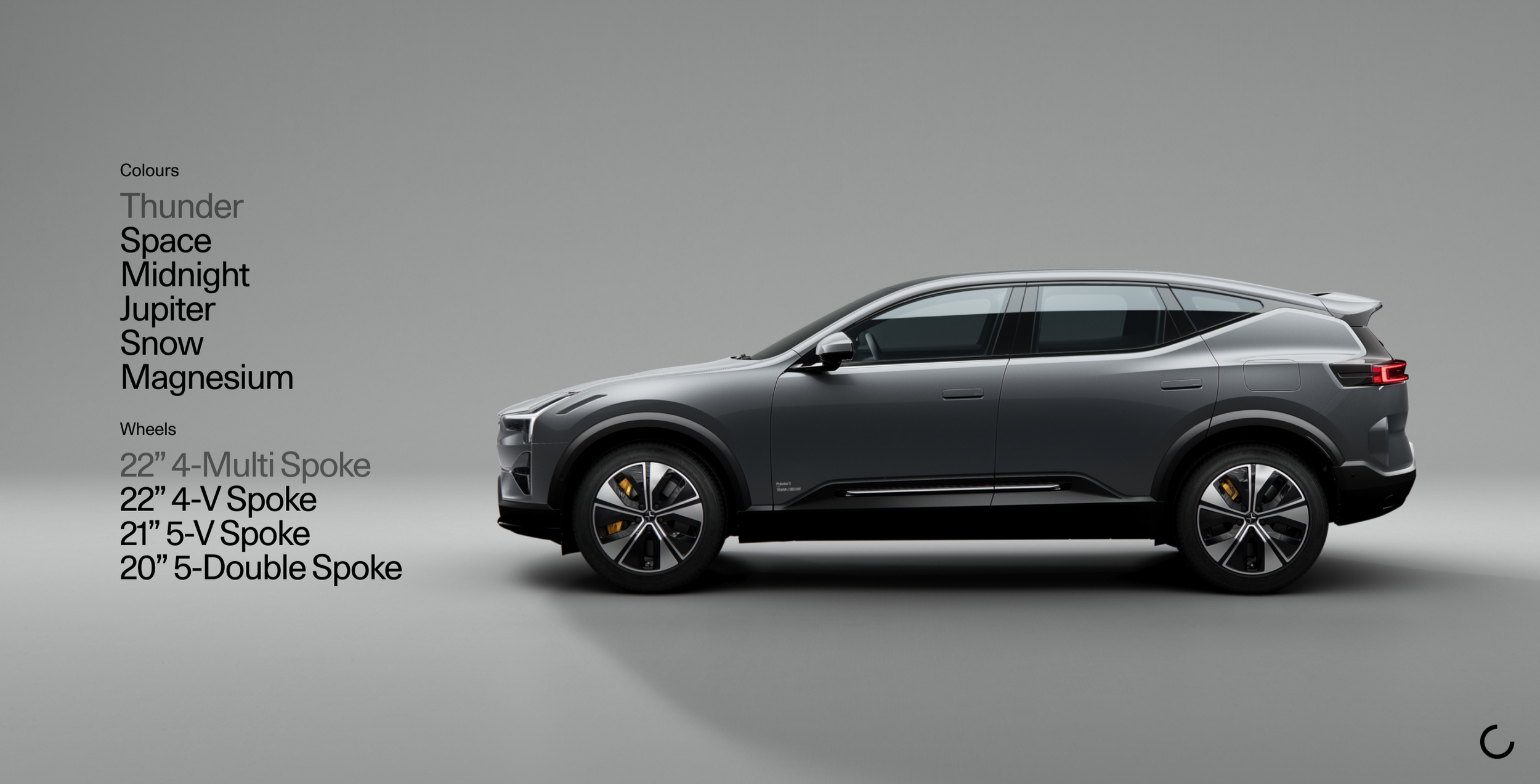
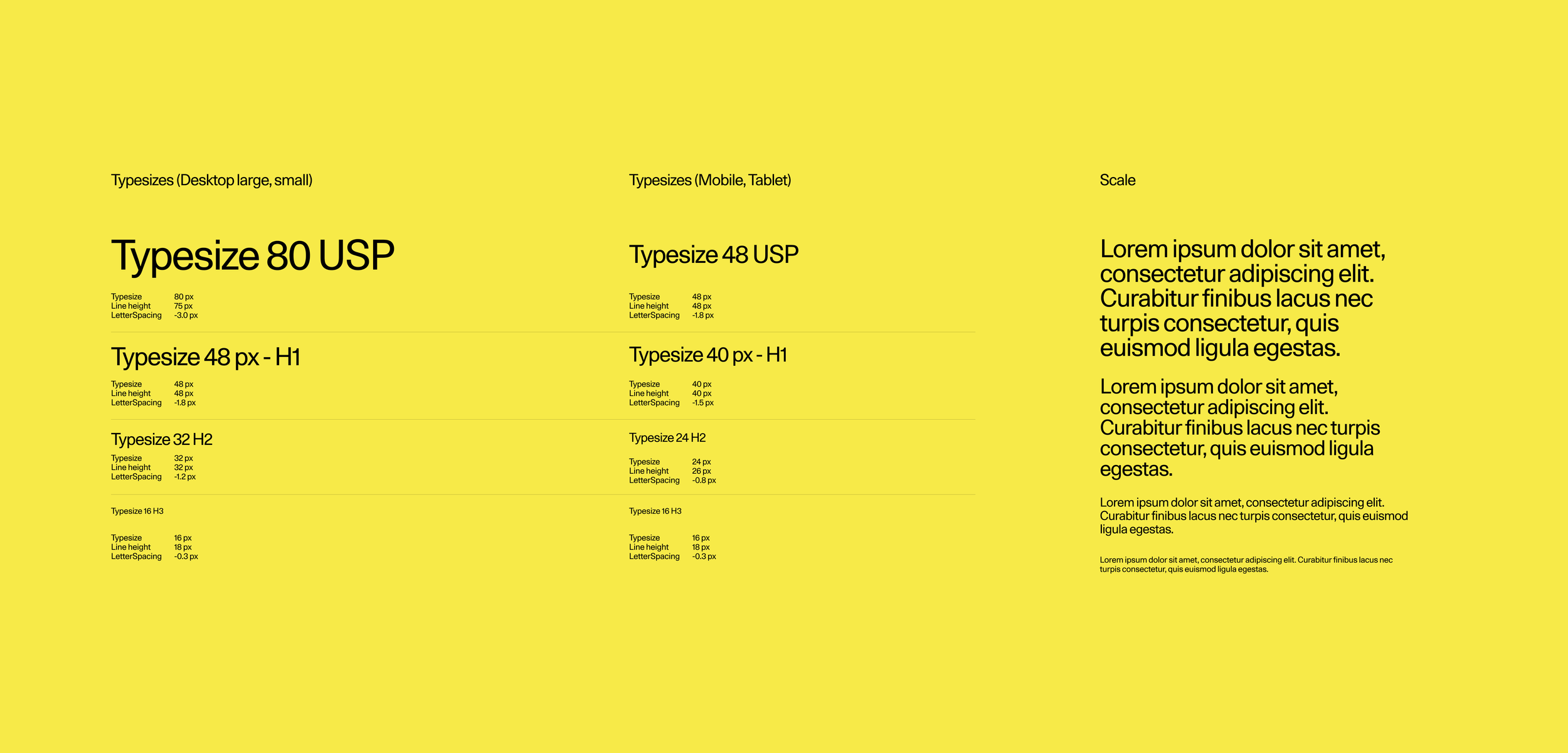
Originally launched with Polestar 3 in 2022, the framework has continued to evolve across different model years and vehicle launches. Each iteration introduces refinements to visual storytelling, interactions and content organisation, while retaining the core structure that now connects the brand's digital car experiences.
Andrea Malanski (Concept, Design and Art Direction)
Tim van de Velde (Motion Design)
Chris Cornwall (Lead Copywriting)
Christian Servando (Copywriting)
Nils Bellemans (Features Page Visual Design and Art direction)
Elias Helleborn (Lead Development)
Nadine Verschoor - van Leeuwen (Lead Development)
Barbara Duvnjak (Web Editing)
Nina Rosenqvist (Asset Production)
Brickland (CGI Imagery and Animation Production)
Chrisanthi Ikonomidou (Product Ownership)
Daniela Frölich (Business Analysis)
Digital Product Experience & Art Direction · 2022–2026