
A museum in a bus


Culture Bus is a project which aims to facilitate the access to culture to neighborhoods in Curitiba, a 2,5 million inhabitants in Southern Brazil. Two buses - an art stage and a museum - bring free cultural programs to all neighborhoods in the city, specially to ones where people has little access to culture.
I was responsible for the complete exhibition design project for the museum bus, research and create content for some of the displays and the concept for the digital experiences. First step on the development was define the user experience journey inside the exhibition. The exhibition was designed for children and includes immersive and interactive experiences that use technologies such as VR, videos, animation and projection. The museum bus will go to public schools. It is expected to start to operate on April 2019.
I have also developed the project brand identity and collaborate on the design of the art stage bus.

Worten Barcelona


Worten is an electronic appliance retail chain with stores in Portugal and Spain. This project was developed for a premium store in Barcelona, in 2015.
My role in this project was to develop the new store concept as a whole, sketching interior design, furniture, fixtures and lightning elements and developing the communication in-store and digital strategy. In this project, I coordinated a team of architects (Portugal), furniture designers (Brazil), lightning designers (Spain) and digital programmers (Spain). From the research phase to the store opening were 5 months.

The (un)free movement

Controlling people’s movements has been essential to the contemporary idea of state. The capability to identify their own memberships and sustain the boundaries between them and the others have given the states the “monopoly of the legitimate means of movement” and the right to classify human beings as “illegal”. Passports and documents aimed to control people’s movement have been crucial in this process. Such documents are not merely pieces of paper, they serve as tools to distinguish those who belong from those who do not, those who can come and go from those who cannot do it so. The (un)free movement is about inclusion and exclusion, admission and refusal, freedom and belonging.
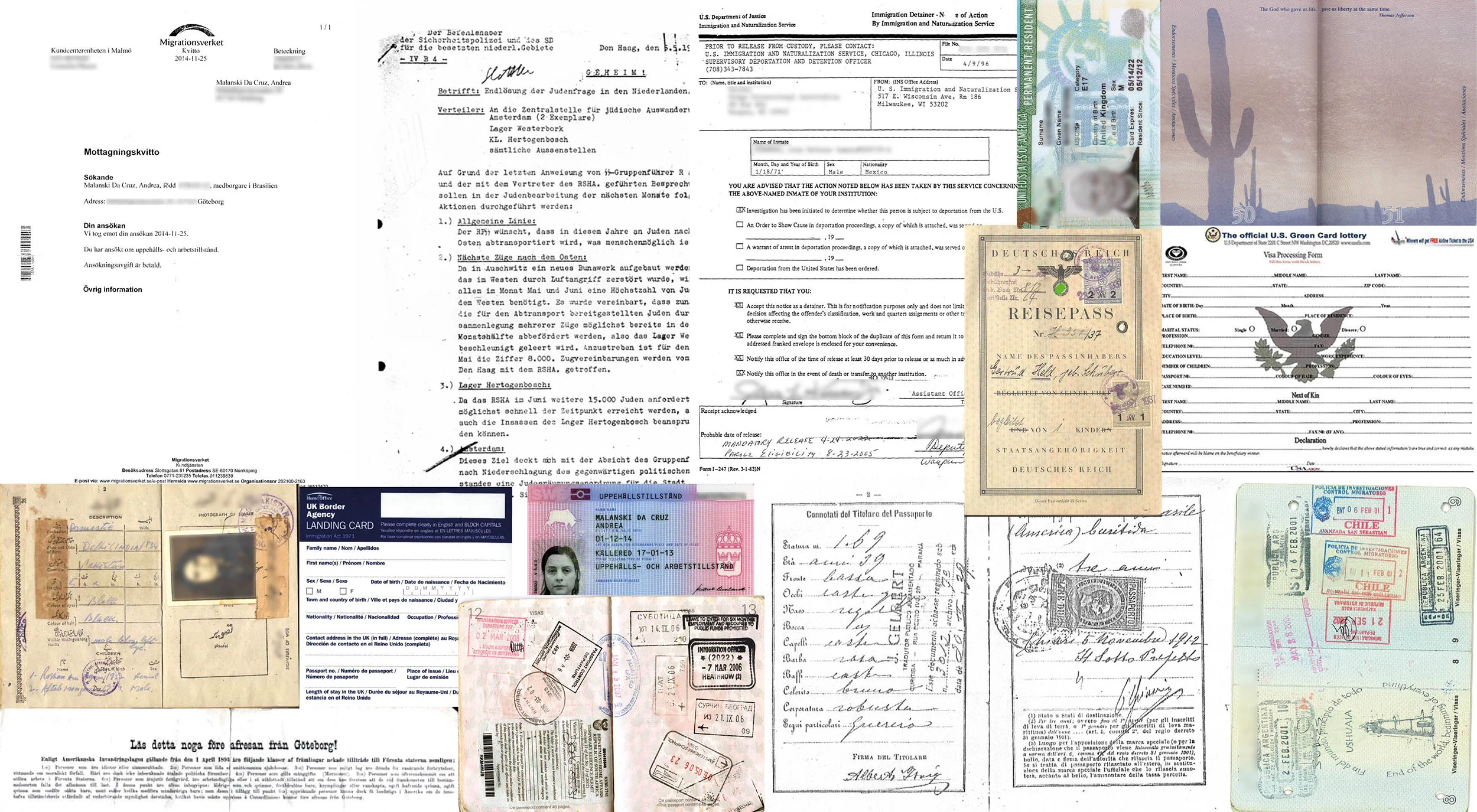
The ‘The (un)free movement’, is an installation with about 250 paper fold birds, made of copies of documents on movement, such as passport pages, visa application forms and migration office letters from different countries. The installation was part of the exhibition “Promiseland”, exhibited on A-venue (Gothenburg - jan/2016) and Form Design Center (Malmö - feb/mar/2016), Sweden.
Promiseland Exhibition - A-venue, Gothenburg, Sweden


Promiseland Exhibition - Form Design Center, Malmö, Sweden


The Story of All of Us
‘The Story of All of Us’ is a proposal for a co-created exhibition about the story of the universe. Made by children and designers, it aims to address the issues of segregation and racism in Gothenburg.
Gothenburg is becoming increasingly multicultural, but inequality and segregation are also growing. By creating tools to retell the story of the universe, the project proposes to join groups of children between 6 and 8 years old from two neighborhoods with social and economic different realities. Its main aim is, through a meaningful story of each and all of us, to reflect on sense of belonging and identity. The project approach combines participatory design and the maker movement.
The project is divided in three parts:
THE SCHOOL
THE WORKSHOPS
THE EXHIBITION
THE SCHOOL
Before the two groups of children meet to create the story, there is a phase of preparation that happens in the school, with the teachers. In this proposal, the workshops schemes were developed after conversations with a teacher of a pre-school in Lundby, Gothenburg. The intention of these preparatory workshops were to be aligned with the school methods and routines and introduce the theme in an environment known by the children.


THE WORKSHOPS
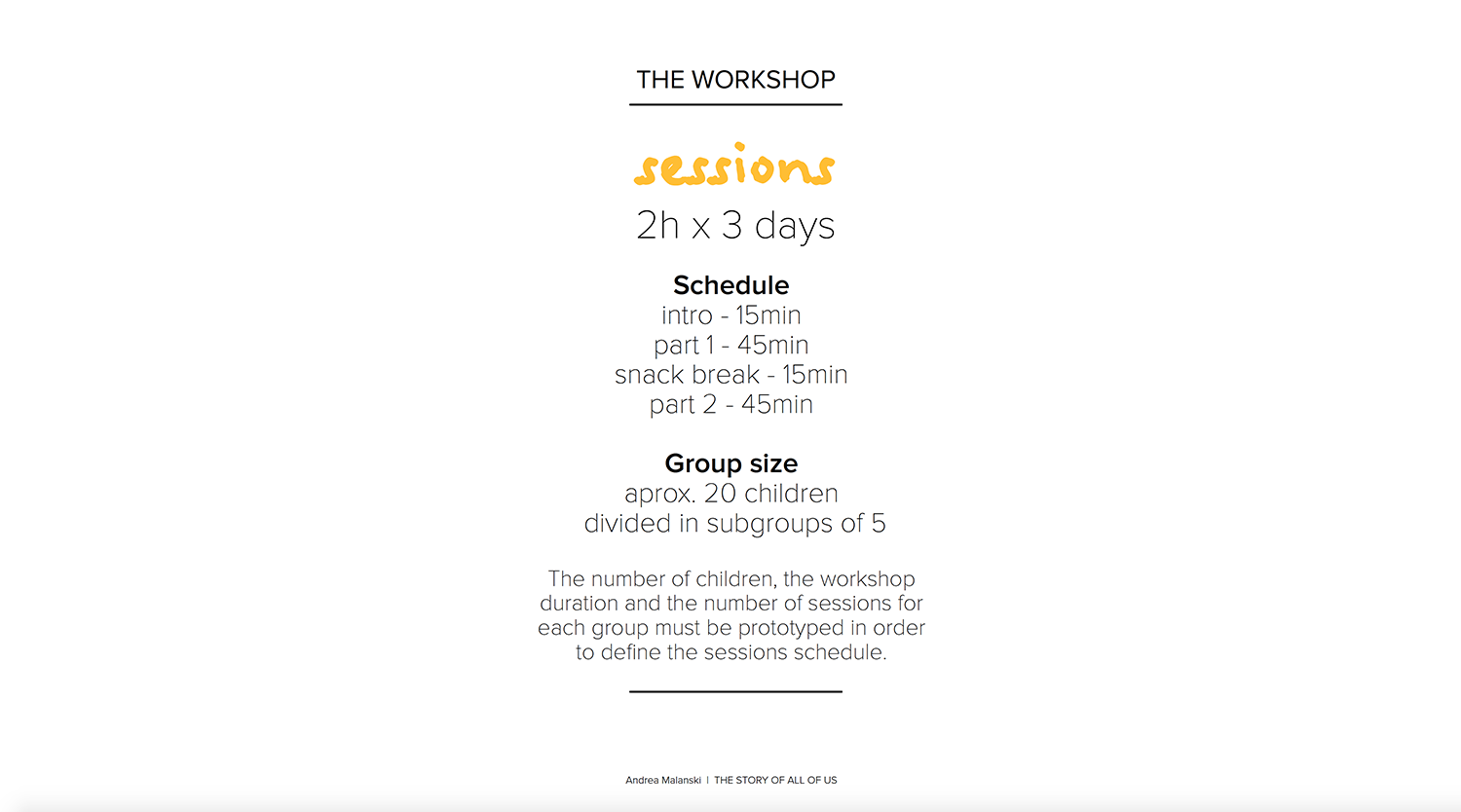
The methods and the schedule of the activities for the workshops were inspired by a project called Kids, Museums and Technology Programme, from the Museum of Technology in Helsinki, Finland. I contacted the professionals who worked in this programme and they shared the method model that they had developed: “The Magic Carpet of Technology tales: an operational model of technological education for museum visitor activities and early educators” that at that time hadn’t been published.
THE TOOLBOX: materials, devices, apps and programmes to be used in the workshops were defined after a workshop and discussion with Carl Heath, from RISE Interactive Gothenburg. Some of these tools were tested in rapid prototypes with children.



THE EXHIBITION
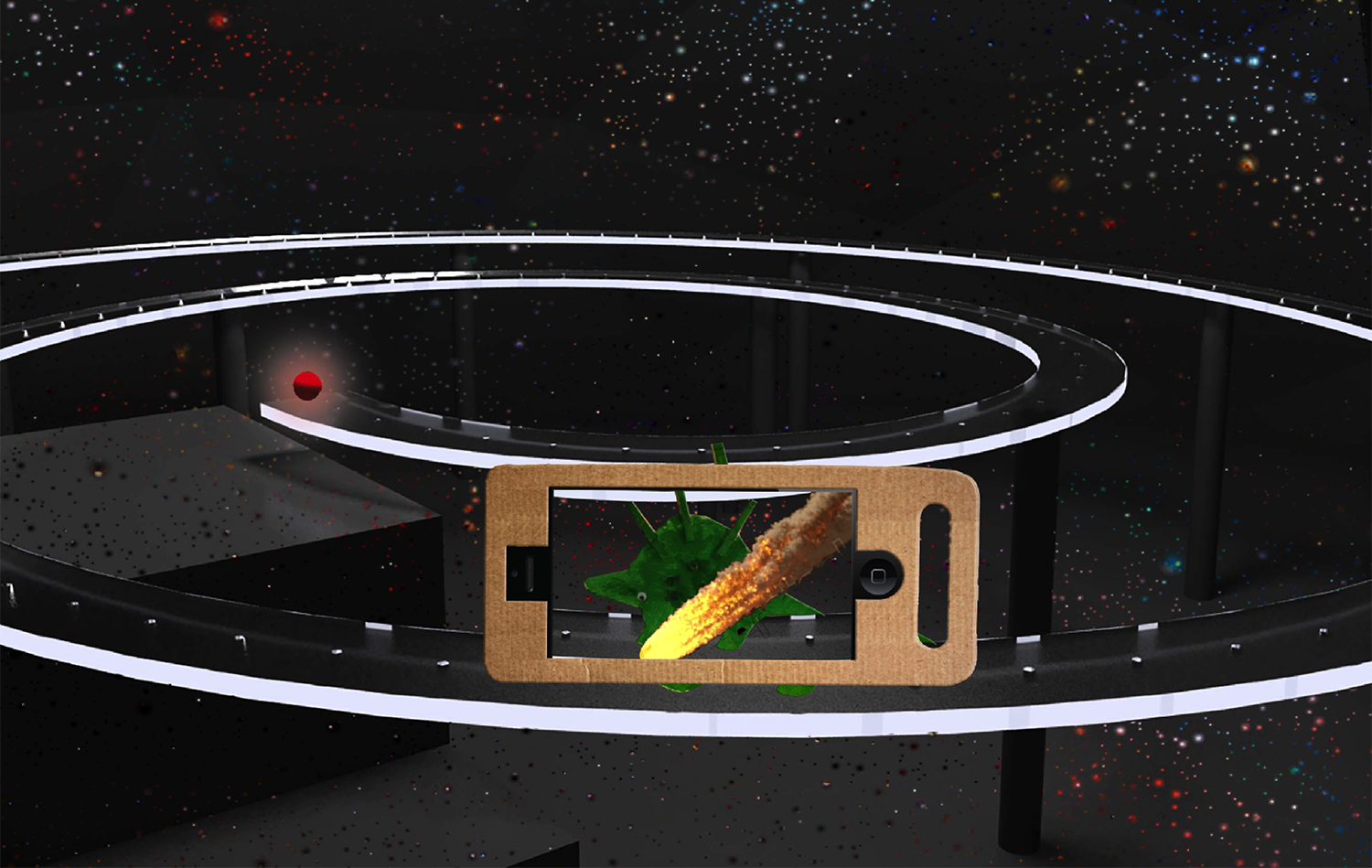
These were the drafts to create a physical platform that could be hosted by a museum. In this “spiral", the materials developed by the team children+designers during the workshops would be exhibited in a chronological story of the universe.




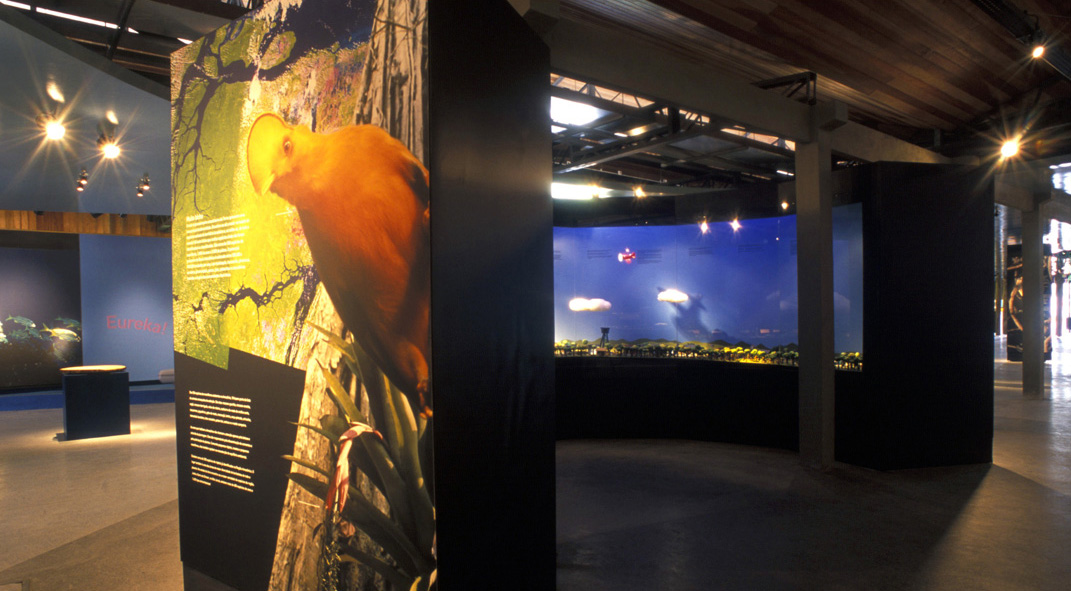
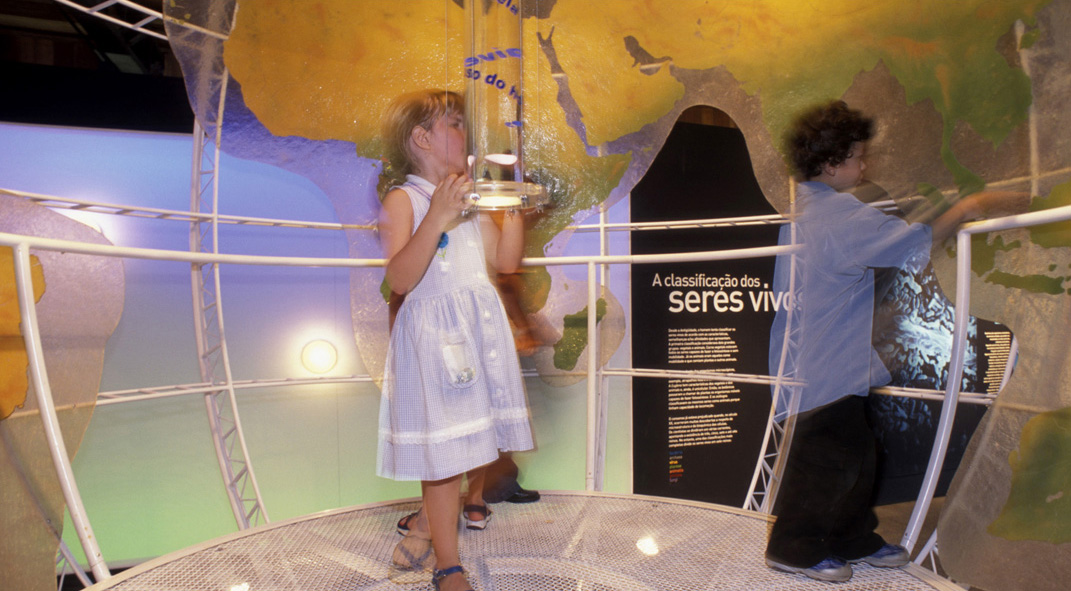
Science Museum
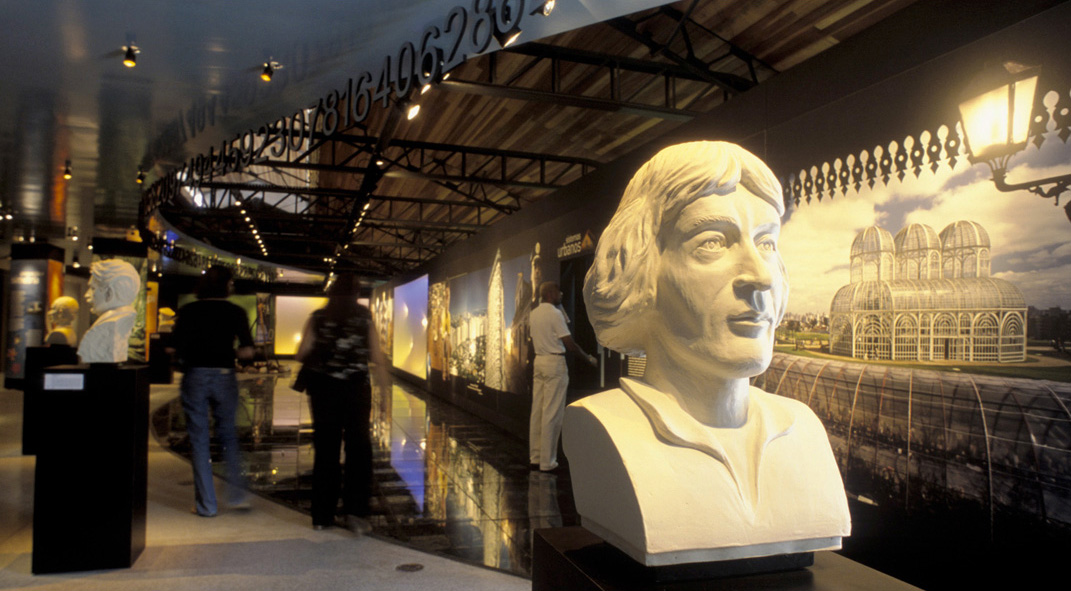
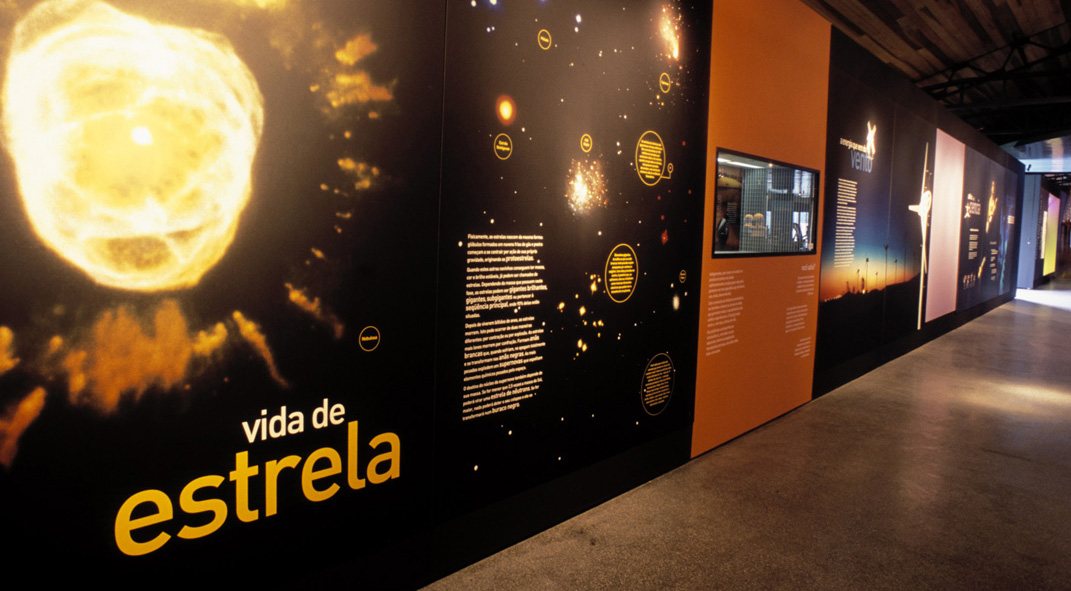
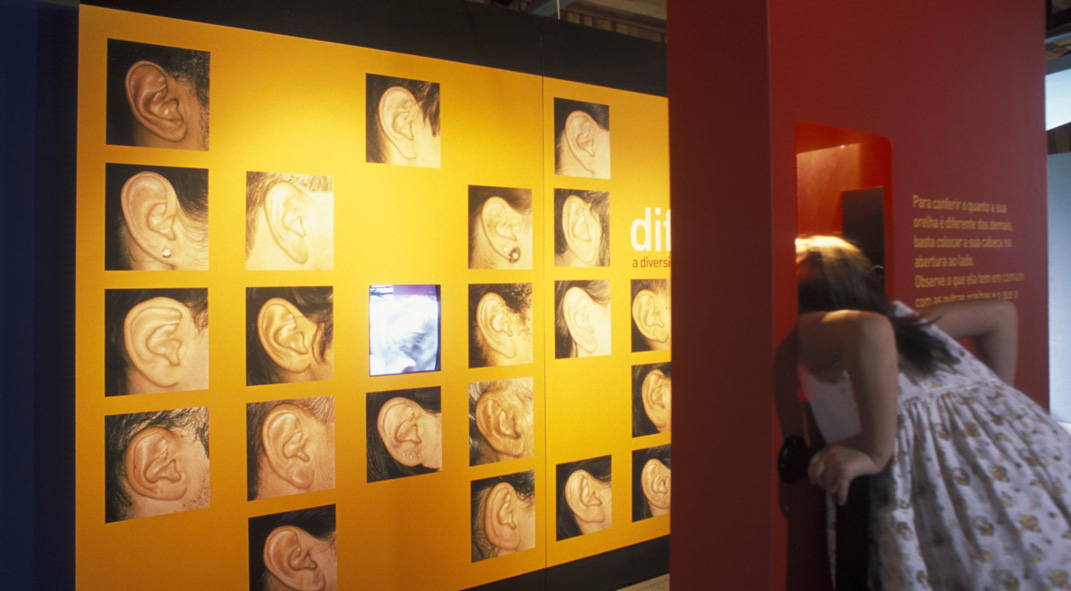
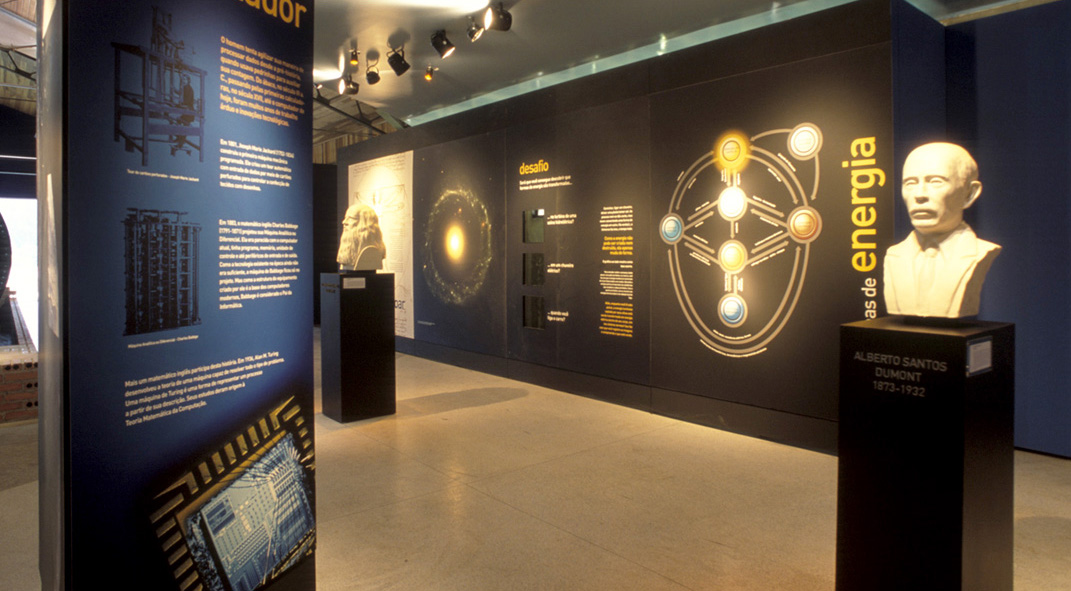
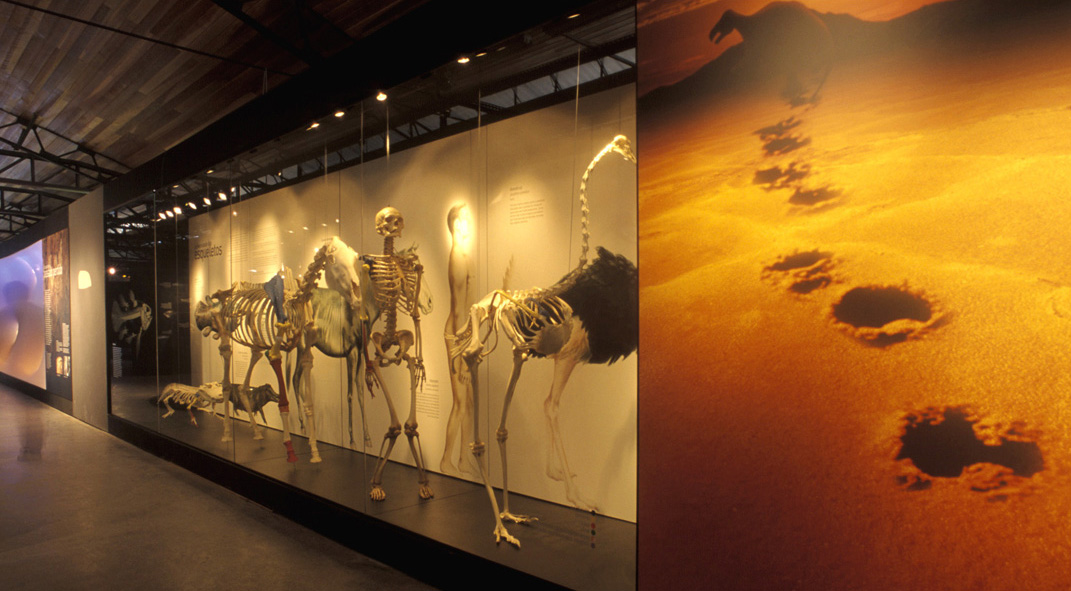
In this permanent science exhibition developed in 2002, I worked in a multidisciplinary team composed by scientists and architects and other professionals. I was resposible for the visual communication part. Billboards, illustrations, photos and infographics as well interactive experiments were part of the exhibition.
Project developed for Paraná state government (governor Jaime Lerner), Brazil.





O Boticário
O Boticário is a Brazilian cosmetic company. It has more than 3.800 stores in Brazil. In 2013, I developed and coordinated a team of graphic and product designers in the development of a new store concept.
My role in the project was to develop the store visual communication and a new way to experience the perfumes. These “stations” to try the perfumes were based on storytelling and multi-sensory experiences.
The project won the 3rd place in Store Design year 2013, competition promoted by Popai Brasil (national level). The store architectural concept was developed by Kavara Takano.

The display positioned on the centre of the store was developed to be a "perfume bar" and a "make up bar". I designed the content and displays of this area. My team was also responsible for designing the façade and other elements of instore communication such as signing, wall paper and props.

In the front side of the "perfume bar", the four main fragrance has special displays that tells the perfume story and promotes experimentation.
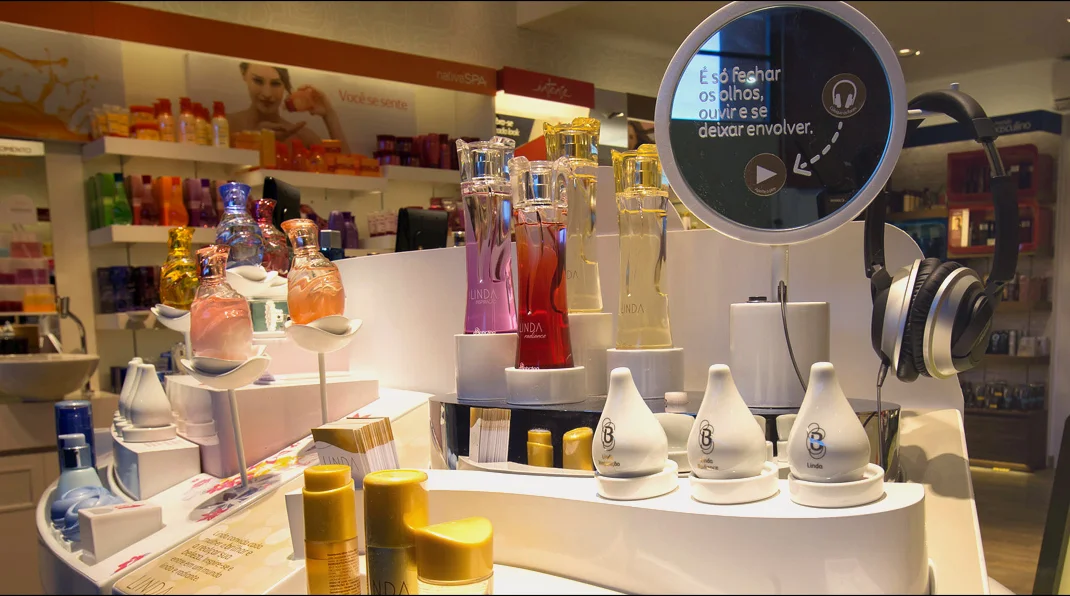

Back side of the "perfume bar": here all the perfume portfolio are divided in groups according to the fragrance personality

Nativa Spa

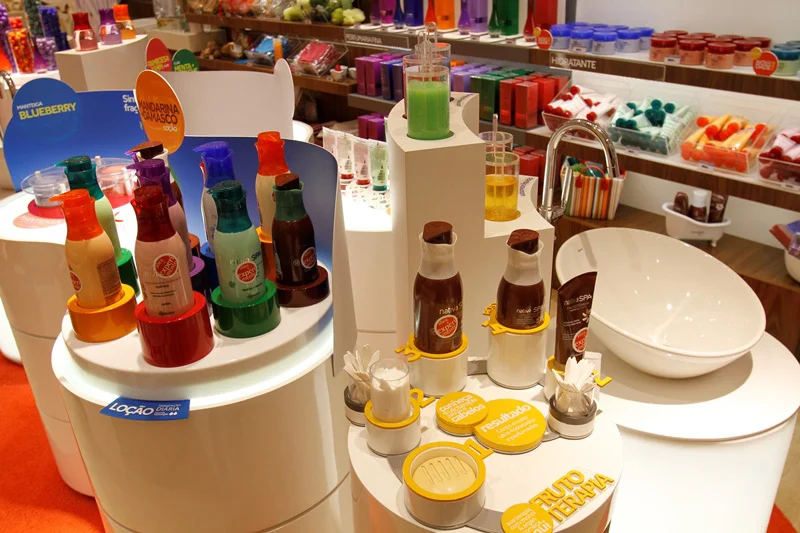
In this project my role was to develop the store visual communication and a new way to experience the cosmetics. Located in the centre of the store, these “stations” to try the products were based on storytelling and multisensory experiences.
The design of th area developed to experience the products won the 1st place in Store-in-Store Design year 2013, competition promoted by Popai Brasil (national level).

COP-MOP3
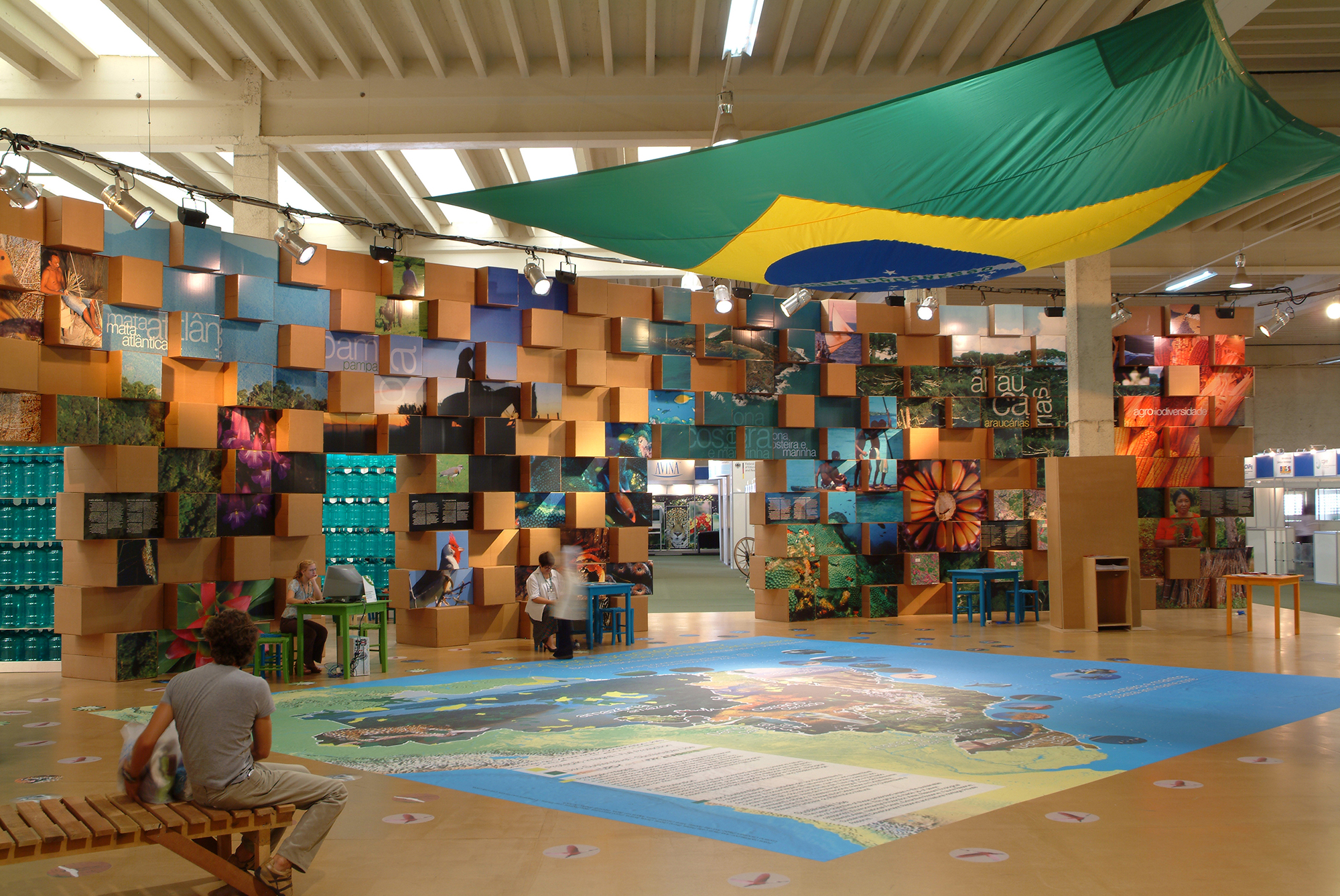
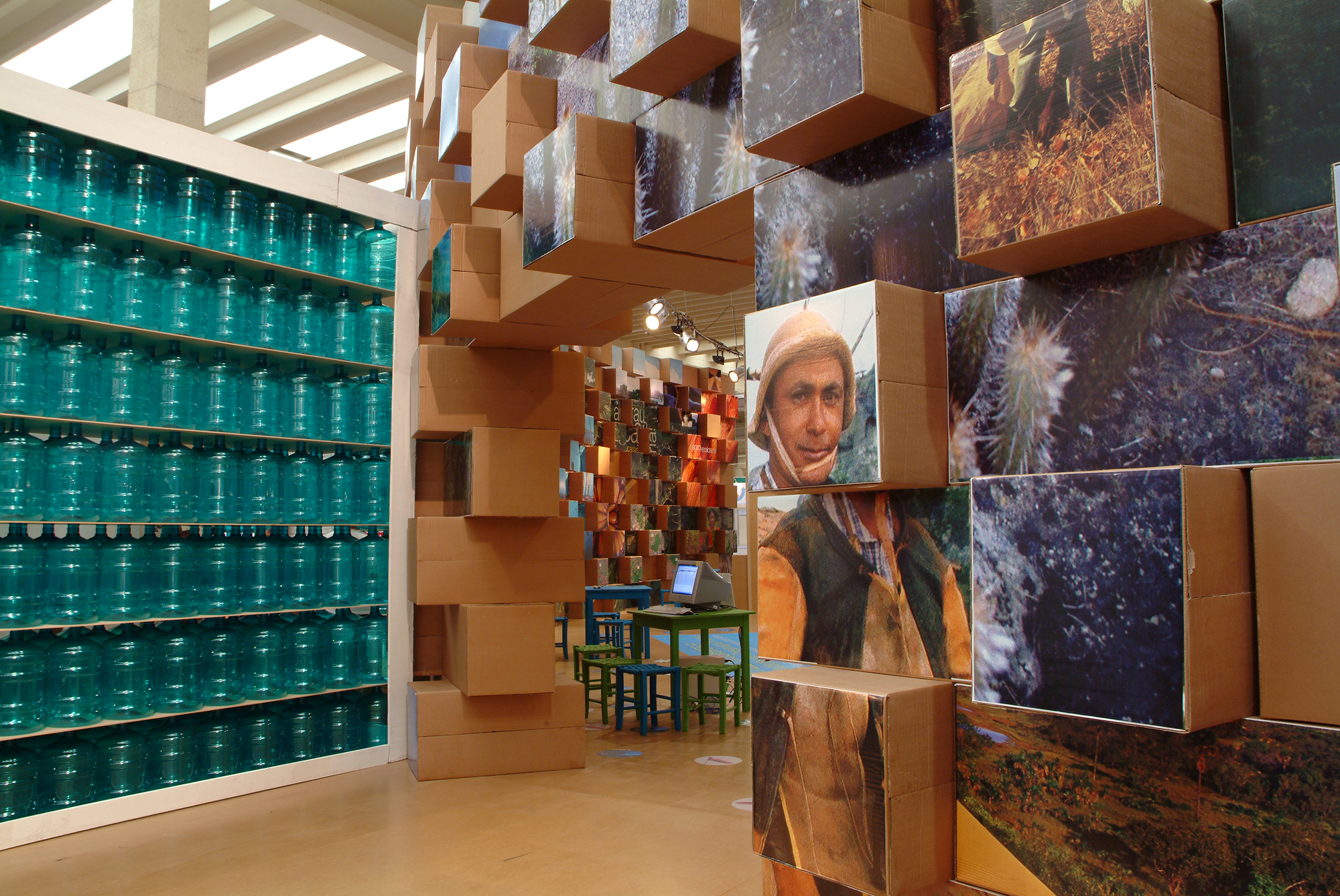
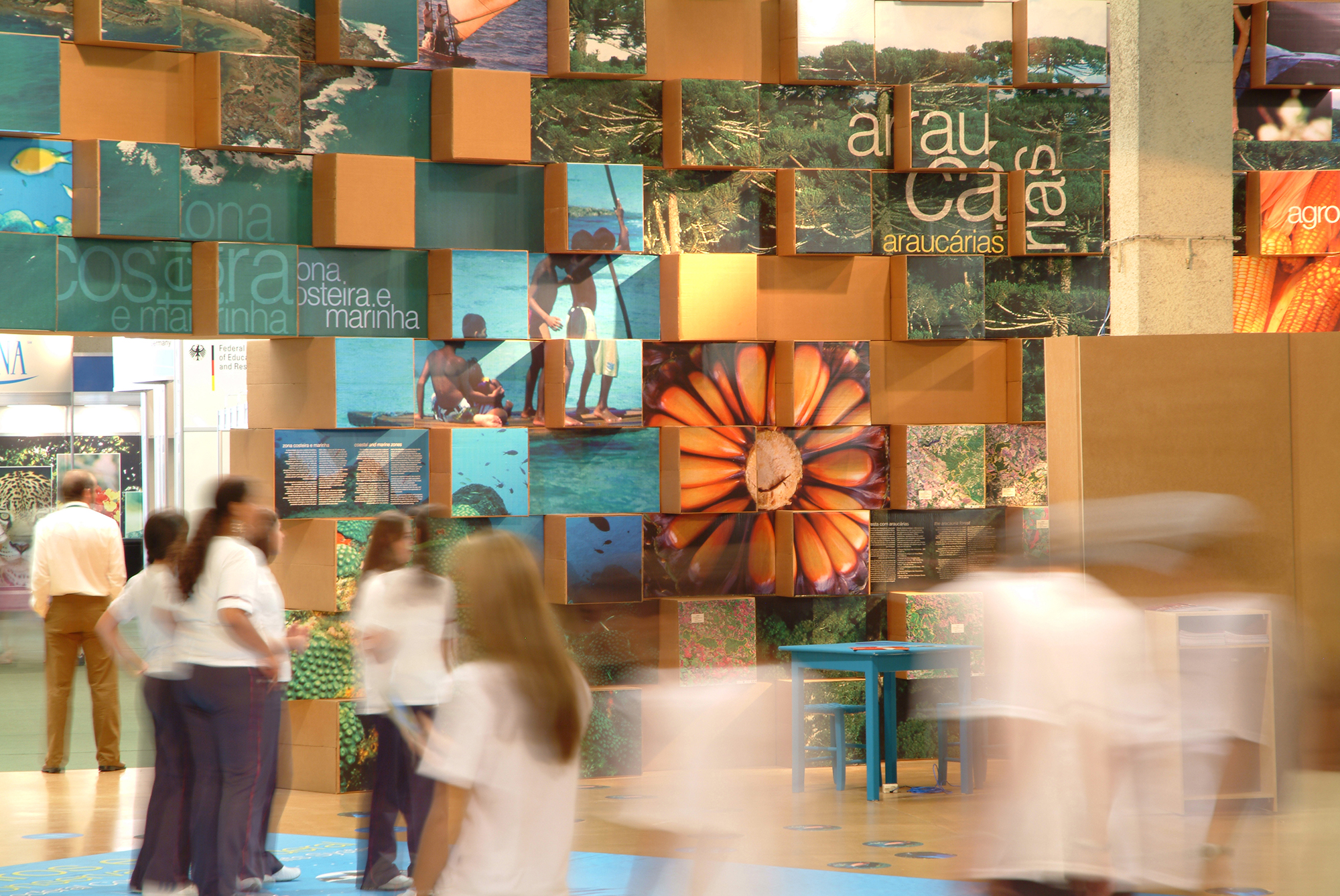
Stand for the Environmental Ministery of Brazil for the 3rd meeting of the Conference of the Parties to the Cartagena Protocol on Biosafety, Brazil, 2006.
The stand was made of cardboard boxes. The meeting room was made of plastic water bottle.
Concept developed by Fernando Canalle.

COP-MOP open air exhibition
Open air exhibition for Curitiba's city hall in the occasion of the 3rd meeting of the Conference of the Parties to the Cartagena Protocol on Biosafety, Brazil, 2006.
Concept developed by Fernando Canalle.
